
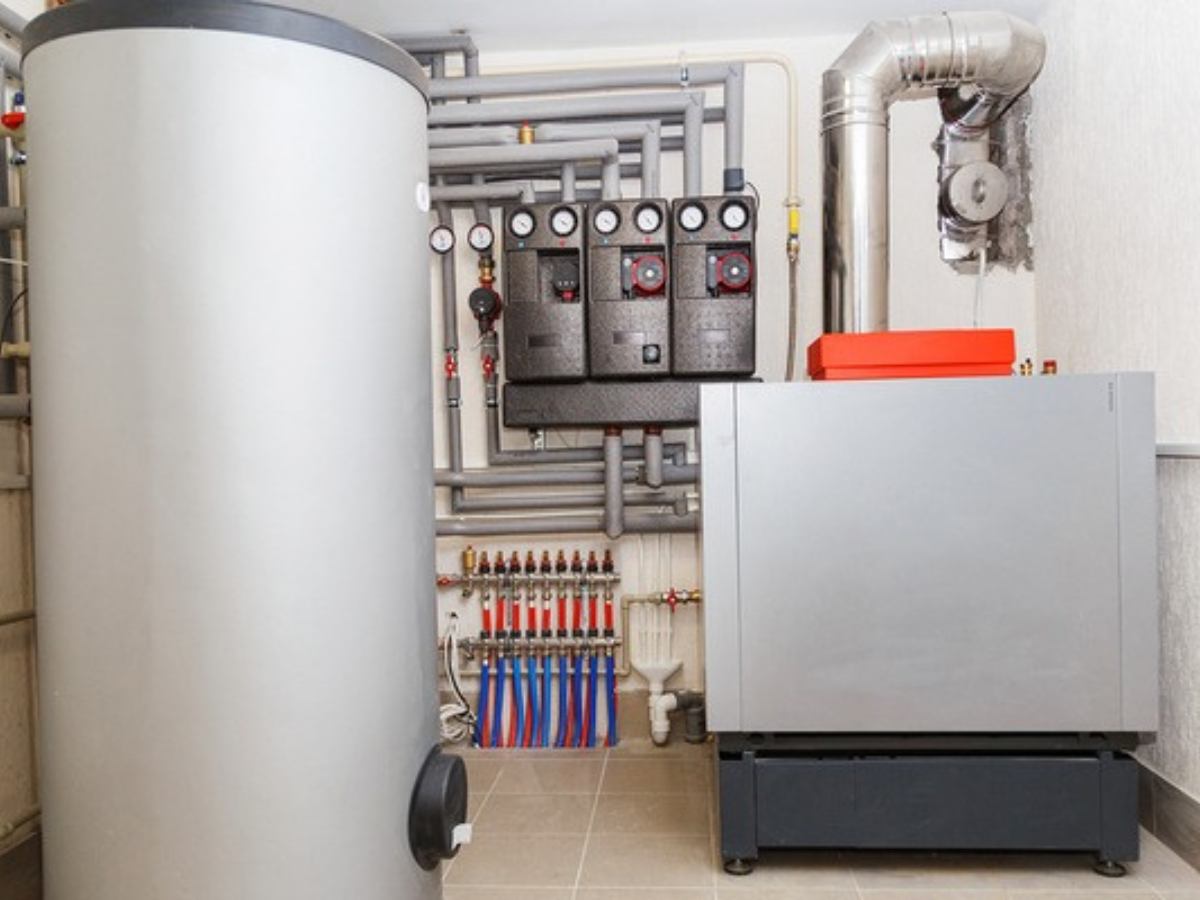
Choosing a commercial boiler is about more than simply heating a building. The right system can support occupant comfort, provide dependable hot water, and help manage long-term operating costs. Understanding how commercial boilers and boiler systems fit your building’s needs can help you make a more informed decision before installation.
Whether you’re planning a new construction project, replacing aging equipment, or evaluating heating options for an existing property, several factors can influence which system is the best fit. Building size, heating demand, hot water requirements, energy efficiency goals, and future growth plans all play a role in the decision-making process.
Drawing on years of experience with boiler installation, maintenance, and repair, PPX, LTD understands the practical considerations that help building owners choose systems designed to deliver reliable performance for years to come.
Understanding the Role of Commercial Boilers
These heating systems work by heating water and distributing it throughout a building for space heating and, in many cases, hot water use. Unlike forced-air systems that rely on ductwork, they use heated water to deliver warmth where it is needed.
Many commercial properties rely on boilers because they provide consistent performance and can support a variety of heating applications.
Common uses for commercial boiler systems include:
- Space heating
- Radiant floor heating
- Radiator heating
- Domestic hot water production
- Multi-zone temperature control
Depending on the building layout and operational requirements, a boiler may serve a single purpose or support several heating functions at once.
Start with Your Building’s Heating Requirements
Every building has different heating demands. Before selecting a system, it is important to evaluate how the property uses heat throughout the day.
For example, an office building may only require heating during business hours, while a healthcare facility may need reliable heating and hot water around the clock.
Questions to consider include:
- How large is the building?
- How many occupants use the space daily?
- Does the property require hot water throughout the day?
- Are there multiple heating zones?
- Are there plans for future expansion?
The answers to these questions help determine the capacity and type of boiler system that may be most suitable for the property.
Consider How Heat Is Distributed Throughout the Building
The method used to distribute heat can influence which boiler system makes the most sense for your building.
Radiant Floor Heating
Radiant floor systems circulate heated water beneath the floor surface. This creates an even distribution of heat throughout the space.
Benefits may include:
- Consistent indoor temperatures
- Reduced cold spots
- Quiet operation
- Improved comfort
Radiant heating is often used in facilities where occupant comfort is a priority.
Radiator Heating
Radiators remain a dependable option for many commercial buildings.
Hot water produced by the boiler flows through radiators positioned throughout the property, helping maintain comfortable indoor temperatures.
Advantages include:
- Reliable performance
- Long service life
- Individual zone control
- Steady heat output
Domestic Hot Water Applications
Many boiler systems also support hot water needs for:
- Restrooms
- Kitchens
- Break rooms
- Healthcare facilities
- Hospitality properties
Buildings with significant hot water demand may require additional capacity when sizing a boiler system.
Types of Commercial Boilers
Several types of heating systems are available, each designed to meet different building requirements, heating loads, and operational goals.
Fire-tube boilers transfer heat through tubes surrounded by water.
They are commonly selected for:
- Office buildings
- Schools
- Retail facilities
These systems are often valued for their straightforward operation and maintenance accessibility.
Water-Tube Boilers
Water-tube boilers circulate water through heated tubes.
They are often used in buildings with larger heating requirements because they can handle higher capacities and pressures.
Condensing Boilers
Condensing boilers are designed to capture and reuse heat from exhaust gases that would otherwise be lost. By extracting additional heat during the heating process, these systems can use fuel more effectively than many conventional boiler designs.
They are often chosen by facilities that prioritize:
- Energy efficiency
- Lower operating costs
- Reduced energy waste
- Long-term performance
Because of their ability to recover and utilize additional heat, condensing boilers are a popular option for commercial buildings looking to improve overall heating efficiency while maintaining reliable performance.
Electric Boilers
Electric boilers may be appropriate in facilities where gas service is limited or where building owners want to avoid combustion-based equipment.
The best choice depends on the building’s heating demands, utility availability, and long-term operating considerations.
What Affects Commercial Boiler Sizing?
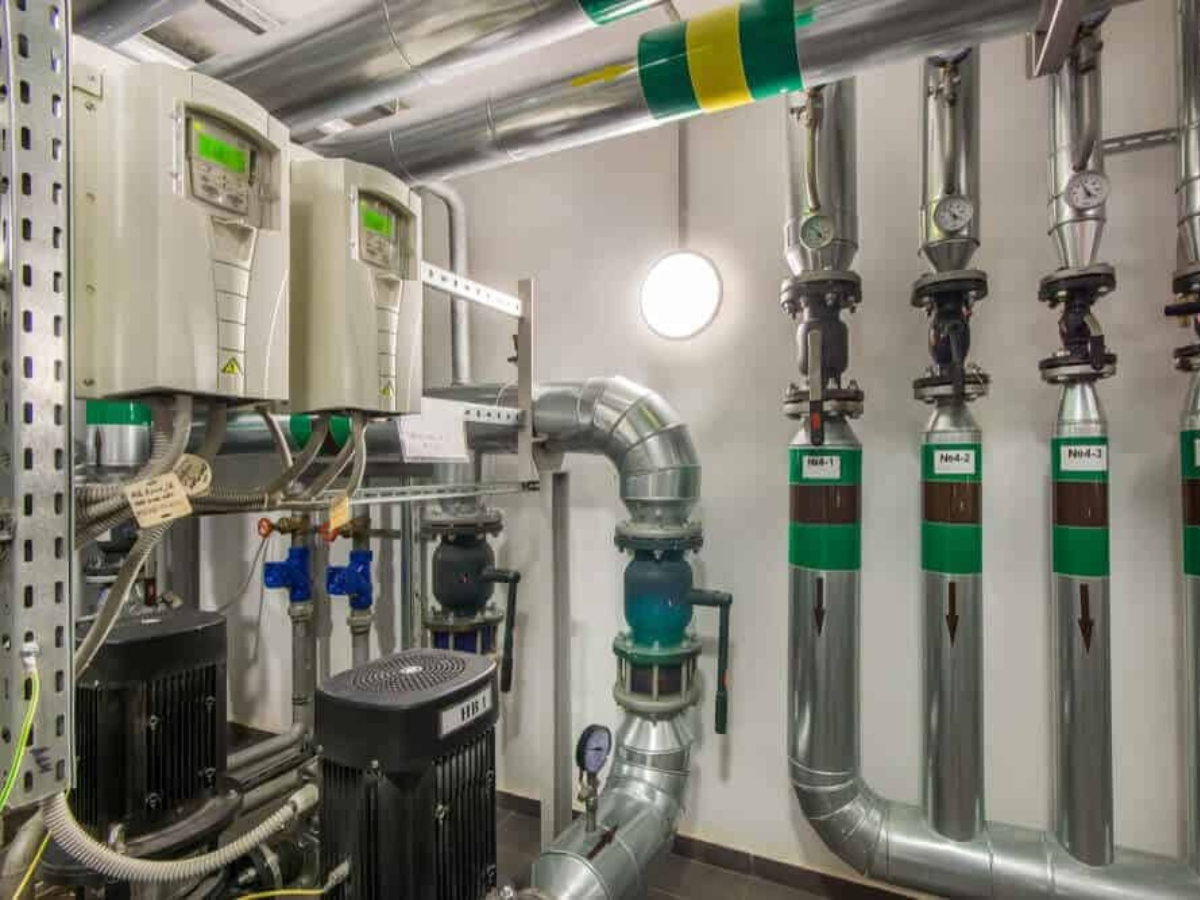
Proper sizing is one of the most important steps when selecting a heating system for a commercial building.
A boiler that is too small may struggle to meet heating demands. A system that is too large can cycle on and off excessively, which may increase wear and energy consumption.
Several factors influence sizing:
Building Size
Larger buildings typically require greater heating capacity.
Occupancy Levels
A facility with hundreds of daily occupants may have different heating and hot water needs than a smaller office.
Insulation and Building Design
Well-insulated buildings often retain heat more effectively, reducing overall heating requirements.
Number of Heating Zones
Properties with multiple zones may require additional planning to ensure balanced performance throughout the building.
Hot Water Demand
Facilities that require frequent hot water use must account for that demand when selecting a boiler system.
Future Growth Plans
If expansion is expected, it may be beneficial to consider future heating requirements during the planning phase.
Benefits of Modern Boiler Systems
Today’s boiler systems offer several advantages that make them a practical option for many commercial properties.
Consistent Heat Distribution
Water-based heating systems often provide more uniform temperatures than systems that rely solely on moving air.
Quiet Operation
Boilers generally operate with minimal noise, making them suitable for offices, educational facilities, and healthcare environments.
Long Equipment Lifespan
With routine maintenance, commercial boilers can remain in service for many years.
Flexible Temperature Control
Many systems support zoning, allowing different areas of a building to maintain separate temperature settings.
Improved Efficiency
Modern equipment and condensing technology can help reduce wasted energy while maintaining reliable heating performance.
Installation Considerations Before Choosing a Boiler
Selecting a boiler is only part of the process. Installation requirements should also be evaluated before making a final decision.
Installation Space
Boilers require adequate space for installation, servicing, and ventilation.
Utility Connections
Depending on the system selected, connections may include:
- Natural gas
- Electricity
- Water supply
- Heating distribution piping
Heating Distribution Equipment
Some installations involve:
- Radiators
- Hydronic piping
- Radiant floor systems
- Expansion tanks
- Circulation pumps
Testing and Commissioning
After installation, the system should be tested to verify proper operation, safety, and efficiency.
Proper commissioning helps ensure the boiler performs as intended from day one.
Why Maintenance Should Influence Your Decision
The long-term success of a boiler system depends heavily on maintenance.
When evaluating commercial boilers, it is important to understand the service requirements associated with each system.
Common maintenance tasks include:
Annual Inspections
Routine inspections can identify wear, leaks, and performance concerns before they become larger problems.
Heat Exchanger Cleaning
Keeping heat exchangers clean helps maintain system efficiency.
System Flushing
Over time, sediment can accumulate within boiler systems. Periodic flushing helps remove buildup and supports proper operation.
Pressure Relief Valve Testing
Pressure relief valves play an important safety role and should be checked regularly.
Leak Inspections
Even minor leaks can affect efficiency and system performance if left unaddressed.
Facilities that follow a preventative maintenance schedule often experience fewer unexpected interruptions and repair needs.
Local Considerations for Buildings in Magnolia, Texas
Heating needs in Southeast Texas differ from those in colder regions of the country. While extreme winter conditions are less common, commercial properties still rely on dependable heating and hot water systems to support daily operations and occupant comfort.
Factors such as building size, occupancy levels, heating distribution methods, and hot water demand can all influence the type of boiler system that is most appropriate for a property. Taking local climate conditions and building requirements into account can help ensure the system delivers reliable performance throughout the year.
Frequently Asked Questions
How do you choose the right commercial boiler?
The right commercial boiler depends on building size, heating demand, hot water requirements, fuel availability, efficiency goals, and future growth plans.
What size commercial boiler does my building need?
A professional load calculation typically evaluates square footage, occupancy, insulation, and hot water usage to determine the appropriate size.
Can commercial boilers provide both heating and hot water?
Yes. Many boiler systems can support both building heating and domestic hot water production.
What is the most efficient type of commercial boiler?
Condensing boilers are generally considered among the most efficient options because they recover heat that would otherwise be lost through exhaust gases.
How often should a commercial boiler be serviced?
Most systems should receive professional inspection and maintenance at least once each year, although facilities with higher usage may require more frequent service.
Making the Right Choice for Your Property
Choosing commercial boilers requires careful consideration of building size, heating requirements, hot water demand, efficiency goals, and maintenance expectations. The right system should support your property’s daily operations while providing reliable performance for years to come.
Whether you are planning a new installation or evaluating replacement options, understanding how boiler systems work and what factors influence long-term performance can help you make a more informed decision. For building owners in Magnolia and surrounding Texas communities, PPX, LTD offers professional boiler installation, maintenance, and repair services to help keep heating systems operating reliably.
To learn more about commercial boiler services and available heating solutions, visit the website at texasplumbersbyppx.com.