
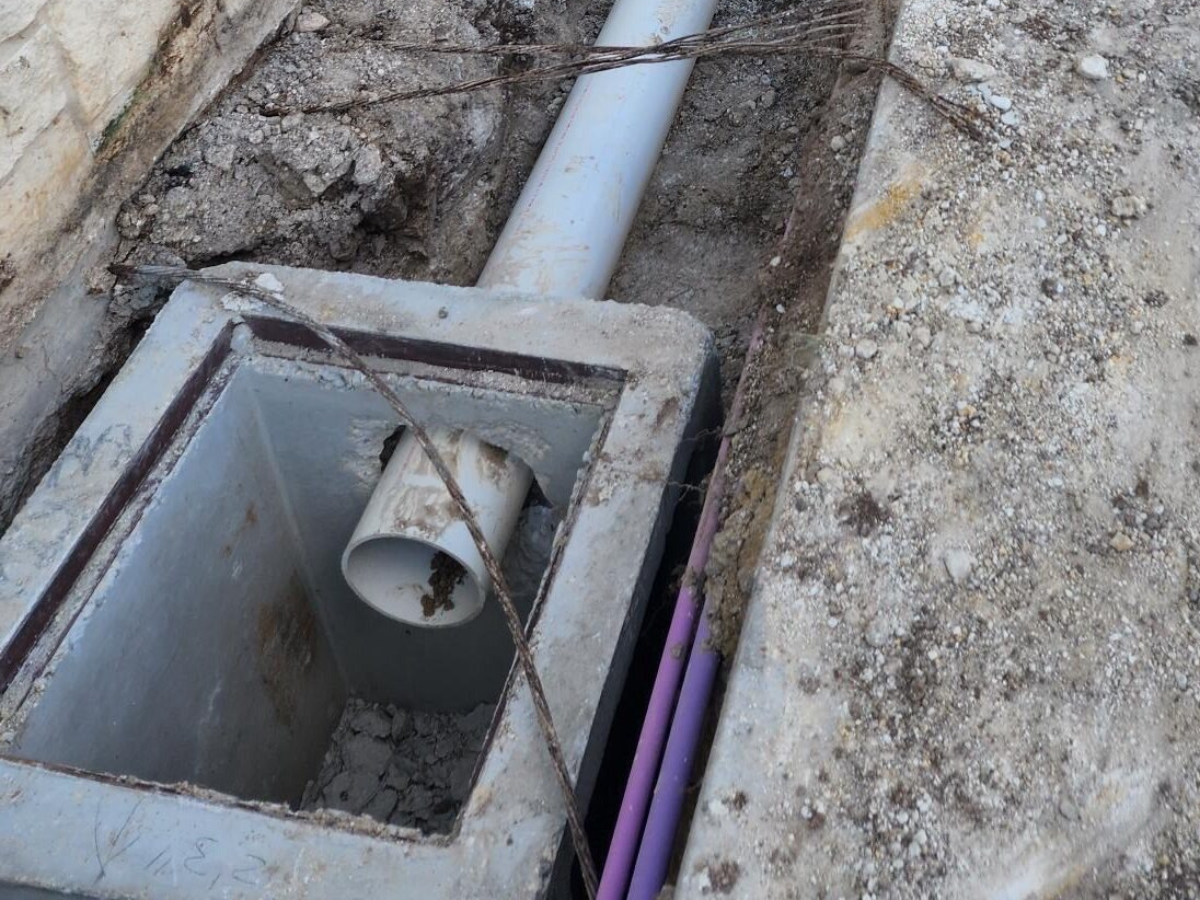
Commercial properties rely on effective drainage systems to manage rainwater and prevent flooding. commercial catch basins are a core part of that system, capturing surface runoff and filtering debris before water enters underground pipes.
This helps reduce water pooling, protect paved surfaces, and support the overall performance of stormwater infrastructure during heavy rainfall. In Magnolia, Texas, where seasonal storms can place added pressure on drainage systems, proper basin function becomes especially important.
This article explains how they work, why they matter, common issues, and maintenance practices relevant to commercial sites, based on field practices used by PPX, LTD.
What Is a Commercial Catch Basin?
A commercial catch basin is a drainage structure designed to collect and control stormwater runoff from paved surfaces. These systems are commonly installed in commercial and industrial environments where large volumes of water must be managed quickly and safely.
In simple terms, a catch basin:
- Collects rainwater from streets, parking lots, and sidewalks
- Separates debris from water flow
- Directs water into underground storm drainage systems
A typical system includes:
- A grated inlet at ground level
- A sump area below for sediment collection
- A discharge pipe that connects to storm drains
Unlike basic surface drains, these systems are built to handle heavier loads, more debris, and higher water volumes.
How Commercial Catch Basins Work
This drainage system operates using gravity and natural sediment separation. While the process is simple, it plays an important role in preventing blockages and system failure.
Step-by-step process:
- Rainwater flows across paved surfaces such as asphalt or concrete
- Water enters the catch basin through a metal grate
- Heavy particles like dirt, gravel, and organic debris settle at the bottom
- Cleaned water flows out through a connected drainage pipe
This process reduces the amount of debris entering stormwater systems, which helps prevent blockages and overflow conditions.
In commercial environments with high foot traffic or vehicle movement, debris accumulation is significantly higher, making these systems essential for long-term drainage stability.
Why These Drainage Systems Are Important
These drainage systems serve several important functions beyond basic water removal.
Flood Control
One of the main purposes of a catch basin is to prevent water from pooling on surfaces. Without proper drainage, even moderate rainfall can lead to standing water, which may disrupt operations and create safety hazards.
Property Protection
Water accumulation can cause:
- Foundation weakening
- Pavement deterioration
- Soil erosion around structures
- Landscape damage
By controlling runoff, catch basins reduce long-term structural risks.
Water Quality Protection
Catch basins help filter out pollutants such as:
- Sediment
- Oil residue from vehicles
- Trash and organic matter
This reduces contamination entering rivers, lakes, and municipal water systems.
Where These Systems Are Commonly Used
These drainage systems are installed in a variety of environments where managing stormwater runoff is essential.
Common locations include:
- Shopping centers and retail plazas
- Large parking lots
- Warehouses and distribution centers
- Manufacturing facilities
- Roadways and intersections
- Fuel stations and service areas
Each environment requires different design considerations based on:
- Surface slope
- Traffic load
- Rainfall intensity
- Debris levels
For example, a warehouse loading dock will require more durable grates than a low-traffic sidewalk area.
Catch Basin vs Other Drainage Systems
Different drainage systems serve different purposes, and selecting the right one depends on site conditions.
Catch Basin
A catch basin is commonly used in large commercial areas such as parking lots, roadways, and industrial sites. Its main function is to collect surface runoff while also trapping debris and sediment before water enters underground drainage pipes. This makes it especially useful in areas where both water volume and debris control are concerns.
Trench Drain
A trench drain is designed for long, narrow surfaces where water needs to be collected along a continuous line. It is often installed in areas like loading docks, driveways, and building entrances. Instead of collecting water at a single point, it intercepts runoff along its entire length, helping prevent surface pooling in high-traffic zones.
Area Drain
An area drain is a compact drainage solution used for smaller, localized spaces. It is typically installed in limited runoff areas such as landscaped sections or small paved zones. While it handles less water compared to other systems, it is effective for targeted drainage needs where large-scale collection is not required.
Common Commercial Catch Basin Problems
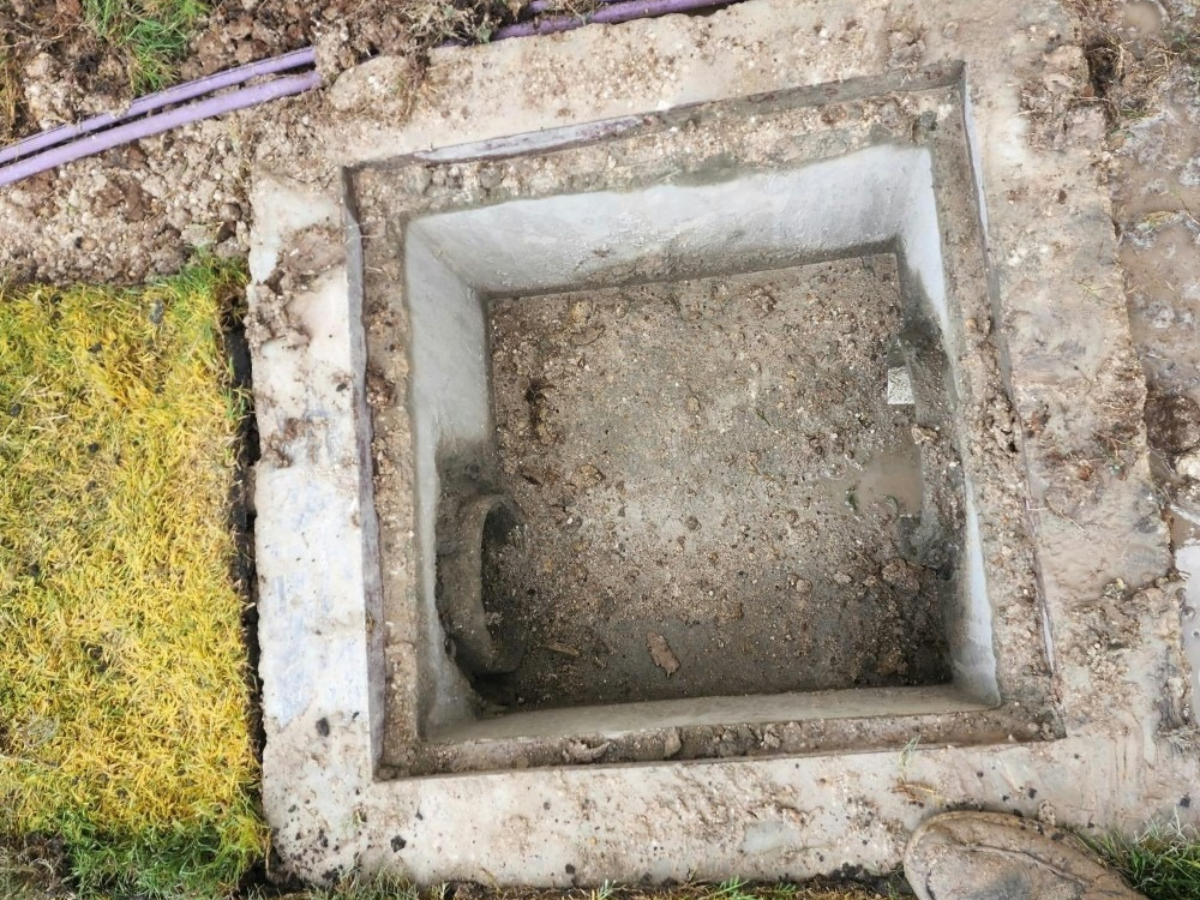
Even well-designed systems require maintenance. Over time, several issues may develop.
1. Clogging
Debris such as leaves, trash, and sediment can block the grate or outlet pipe. This reduces water flow and increases flooding risk.
2. Structural Damage
Catch basins are exposed to heavy loads from vehicles and environmental stress. Over time, this may lead to:
- Cracks in concrete walls
- Shifting due to soil movement
- Grate deformation
3. Sediment Buildup
Sediment naturally collects in the sump area. If not removed, it reduces the basin’s capacity and efficiency.
4. System Backflow or Infiltration Issues
In some cases, poor drainage design or blockages can cause water to move in unintended directions, affecting surrounding infrastructure.
Installation Considerations for Commercial Properties
Proper installation determines how well a catch basin performs over time.
Key installation factors:
Location Selection
Catch basins should be placed in low points where water naturally accumulates.
Surface Grading
Proper slope ensures water flows toward the basin instead of pooling elsewhere.
Load Capacity
Commercial environments require heavy-duty grates designed to handle vehicle traffic.
Pipe Connection Design
The outlet must be correctly sized to handle expected water flow during peak rainfall.
Incorrect installation can lead to persistent flooding issues even if the system itself is functional.
Maintenance of Commercial Catch Basins
Routine maintenance is necessary to keep drainage systems functioning properly.
Inspection
Catch basins should be checked for:
- Debris accumulation
- Structural cracks
- Water flow restrictions
- Sediment depth
Cleaning
Cleaning frequency depends on:
- Nearby vegetation
- Traffic volume
- Storm frequency
- Construction activity nearby
Most commercial systems require at least annual cleaning, though high-debris areas may need more frequent service.
Repairs
Small issues such as cracks or broken grates should be addressed quickly to prevent system failure or costly repairs later.
Stormwater and Drainage Challenges in Magnolia, TX
Magnolia, TX experiences seasonal heavy rainfall events that can quickly overwhelm poorly maintained drainage systems. Combined with regional soil conditions that may slow water absorption, commercial properties in the area depend heavily on functional stormwater systems.
Parking lots, industrial yards, and commercial roadways are especially vulnerable to:
- Surface flooding
- Water pooling near entrances
- Erosion around paved areas
Properly maintained catch basins help reduce these risks and maintain safe site conditions during storms.
Frequently Asked Questions (FAQ)
What is a commercial catch basin used for?
It collects stormwater runoff and filters debris before water enters underground drainage systems.
How does a catch basin prevent flooding?
It captures excess surface water and directs it into storm drains, preventing pooling on paved surfaces.
How often should commercial catch basins be cleaned?
Typically at least once per year, though high-debris or high-rainfall areas may require more frequent cleaning.
What causes catch basin failure?
Common causes include clogging, sediment buildup, structural damage, and improper installation.
Where are catch basins usually installed in commercial areas?
They are placed in low-lying areas such as parking lots, loading zones, and roadway edges.
Maintaining Reliable Commercial Drainage Systems
Commercial catch basins play an essential role in managing stormwater runoff across business properties. They help reduce flooding, protect infrastructure, and maintain safer site conditions when properly designed and maintained. Proper upkeep of a catch basin system is especially important in areas with heavy rainfall and high surface runoff.
For commercial properties in Magnolia, Texas, consistent inspection and maintenance of drainage systems is key to avoiding costly water damage and operational disruptions. Working with providers such as PPX, LTD can help ensure that drainage systems remain functional and aligned with the demands of commercial sites over time.
To learn more, visit the website at texasplumbersbyppx.com.