
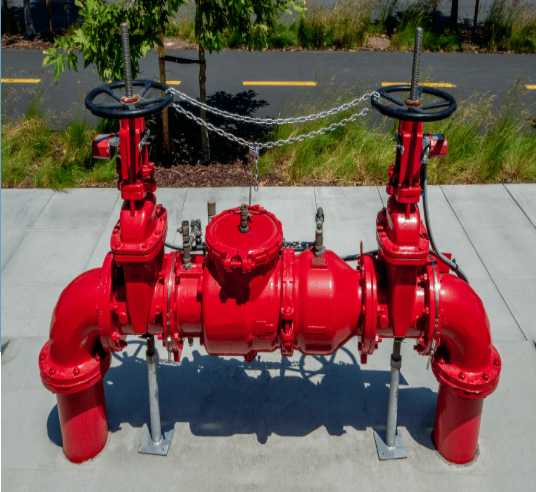
For a commercial property, clean water is not something you can afford to take for granted. Restaurants, medical facilities, apartment communities, offices, retail buildings, and industrial sites can all have plumbing connections where contaminated water could potentially flow back into the potable water supply.
That is why Commercial Backflow Prevention is an important part of maintaining a safe and properly functioning commercial plumbing system. In Magnolia, TX and throughout the surrounding Texas service area, PPX Ltd helps commercial and multifamily property owners address backflow prevention through testing, installation, repair, and maintenance.
Backflow protection is not simply about installing a valve and forgetting about it. The right device has to match the potential hazard, be installed correctly, tested when required, and maintained over time.
What Is Commercial Backflow Prevention?
Backflow occurs when water flows in the wrong direction through a plumbing system. Under normal conditions, potable water moves from the public supply toward the property. A change in pressure can create the possibility of contaminated or non-potable water moving backward into that supply.
For a commercial property, potential contamination sources can include irrigation systems, chemical equipment, boilers, industrial processes, fire protection systems, storage tanks, and other plumbing connections.
The purpose of Commercial Backflow Prevention is to stop that unwanted reverse flow and protect the potable water supply.
Texas regulations address cross-connection and backflow protection, and the Texas Commission on Environmental Quality, or TCEQ, requires applicable backflow prevention assemblies to be tested upon installation. Assemblies protecting against health hazards generally require testing at least annually by a licensed Backflow Prevention Assembly Tester. Local water systems may also have additional requirements.
For businesses, that makes backflow protection both a safety consideration and a compliance responsibility.
Why Commercial Properties Have Greater Backflow Risks
A typical commercial building has a much more complicated plumbing system than a single-family home.
Think about a multifamily property with dozens or hundreds of units. There may be irrigation, multiple water heaters, mechanical equipment, pools, fire protection, commercial kitchens, and other connections. Each additional connection can create another potential cross-connection hazard.
A restaurant presents another example. Cleaning chemicals, dishwashing equipment, grease management systems, water-connected appliances, and other equipment may create conditions that need to be evaluated.
The important point is that there is no universal backflow solution for every business.
A qualified plumber needs to understand what is connected to the water supply and what type of hazard exists before recommending a device.
Choosing the Right Commercial Backflow Preventer
A Commercial Backflow Preventer is designed to prevent reverse water flow, but different assemblies serve different applications.
The appropriate solution depends on factors such as:
- The type of water connection
- The potential contamination hazard
- Water pressure
- Plumbing configuration
- Applicable local requirements
- Manufacturer specifications
- Whether the system is potable, non-potable, irrigation, or another type of service
For example, a property with a relatively low-risk connection may require a different approach than a facility where a health hazard is present.
This is one reason property managers should avoid choosing a backflow device based solely on price or a quick internet search. The cheapest device is not necessarily the right device for the application.
What Happens During Commercial Backflow Preventer Installation?
A professional Commercial Backflow Preventer Installation should start with an evaluation rather than immediately cutting into the plumbing.
- Evaluate the property
The plumber identifies the water service, existing connections, potential cross-connections, and the conditions surrounding the installation point.
- Determine the appropriate protection
The type of assembly should correspond to the hazard and applicable requirements. TCEQ guidance identifies different cross-connection hazards and provides requirements for backflow protection and testing.
- Plan the installation
The installation location needs to provide appropriate access for testing, maintenance, and future repairs. A device that is technically installed but difficult to service can become a problem for the property manager later.
- Install and test
Once installed, the assembly needs to be tested according to applicable requirements. Texas requires applicable assemblies to be tested upon installation by a licensed backflow prevention assembly tester.
- Maintain the documentation
Testing is not complete just because someone says the device passed. TCEQ provides a Backflow Prevention Assembly Test and Maintenance Report for documenting test results. TCEQ guidance also notes that test records for health-hazard assemblies must be retained by the public water system for at least three years.
That documentation can become especially important when a property changes ownership, receives a compliance notice, or has multiple plumbing contractors involved.
How Much Does Commercial Backflow Preventer Installation Cost?
One of the most common questions property owners ask is about Commercial Backflow Preventer Installation Cost.
There is no responsible one-size-fits-all price because commercial installations can vary considerably.
The total cost may depend on:
- The type and size of backflow assembly
- Existing plumbing configuration
- Installation location
- Accessibility
- Required piping modifications
- Valves and related components
- Labor requirements
- Testing and certification
- Permits or local requirements
- Whether an existing device needs to be removed
- Whether repairs are required before installation
For example, replacing an accessible assembly on an existing commercial water line can be very different from installing a new system where significant piping modifications are required.
A professional assessment gives a property owner a much more useful estimate than a generic online price range.
Commercial Backflow Prevention Is Not Just an Installation Job
A common mistake is treating backflow prevention as a one-time plumbing project.
Mechanical assemblies can wear over time. Springs, checks, seals, and other components can deteriorate. Even a properly selected assembly can eventually require testing or repair.
TCEQ states that health-hazard backflow prevention assemblies must be tested at least annually, and its guidance notes that some public water systems may require more frequent testing based on local requirements or agreements.
This is why commercial property managers should maintain a simple tracking system showing:
- Device location
- Device type
- Installation date
- Last test date
- Next required test date
- Tester information
- Repair history
- Copies of test reports
A calendar reminder can prevent an otherwise manageable maintenance item from becoming a compliance headache.
What If a Backflow Preventer Fails Its Test?
A failed test does not automatically mean the entire plumbing system needs to be replaced.
The assembly may need cleaning, adjustment, replacement of internal components, or other repairs depending on the condition and type of device.
TCEQ guidance explains that when a tester determines an assembly fails testing but can be repaired, the assembly should be repaired and retested.
This is where experience matters. A good commercial plumber should explain whether repair is practical or whether replacement makes more sense based on the condition of the assembly.
PPX Ltd provides backflow testing, installation, repair, and maintenance services for commercial customers, helping property owners address the complete lifecycle of their backflow equipment. PPX Ltd Commercial Backflow Prevention Services
Why Magnolia, TX Businesses Should Take Backflow Protection Seriously
Commercial properties in Magnolia, TX often have plumbing systems that support more than basic sinks and restrooms. Multifamily developments, businesses, irrigation systems, mechanical equipment, and larger commercial facilities can introduce additional plumbing connections that require careful evaluation.
PPX Ltd is based in Magnolia, TX and provides commercial plumbing services across the greater Houston, Austin, and San Antonio areas. The company also provides plumbing solutions for multifamily properties and commercial projects.
For businesses looking specifically for commercial plumbing support in The Woodlands, TX, PPX also provides commercial plumbing services that include backflow prevention, installation, and maintenance. Commercial Plumbing in The Woodlands, TX
When Should You Call a Commercial Plumber?
Consider scheduling an evaluation if:
- Your property has never had its backflow protection assessed.
- A water provider has notified you about testing or compliance.
- Your existing assembly failed a test.
- You are renovating or expanding the plumbing system.
- A new irrigation or mechanical system is being connected.
- Your existing device is damaged, corroded, or difficult to operate.
- You do not have current testing records.
- You are purchasing or taking over a commercial property.
Addressing the issue early is usually easier than waiting until a failed test, plumbing modification, or compliance deadline forces the decision.
Frequently Asked Questions
How often does a commercial backflow preventer need to be tested?
For assemblies protecting against health hazards, Texas requirements generally call for testing at least annually by a licensed backflow prevention assembly tester. Some local water systems can have additional requirements.
Who can test a commercial backflow preventer in Texas?
Testing and repair of applicable backflow prevention assemblies must be performed by a person holding the appropriate TCEQ Backflow Prevention Assembly Tester license.
Can a commercial backflow preventer be repaired?
Yes. Some assemblies can be repaired when components wear out or the device fails testing. After applicable repairs, the assembly should be retested to confirm proper operation.
Is commercial backflow prevention required for every business?
Not necessarily in the same way for every business. Requirements depend on the plumbing configuration, potential contamination hazards, applicable regulations, and the requirements of the property’s public water system.
How can I get an accurate Commercial Backflow Preventer Installation Cost?
The most reliable approach is to have the property and existing plumbing evaluated first. The size and type of assembly, installation location, piping modifications, accessibility, testing, and local requirements can all affect the final cost.
Protect Your Commercial Water Supply With the Right Solution
Effective Commercial Backflow Prevention starts with understanding the property rather than simply installing a device. The right assembly, proper installation, required testing, accurate records, and ongoing maintenance all work together to protect the water supply.
If your business or multifamily property in Magnolia, TX needs backflow testing, repair, maintenance, or installation, PPX Ltd can evaluate the existing system and recommend a practical solution based on the property’s needs.